Anxiety or Empowerment?
A new generation of conservationists is ready to take the lead.

"A sustainable future for humankind depends on a caring partnership with nature as much as anything else." — Nelson Mandela
There was plenty of gloom and doom at the May 2026 three-day Effective Conservation in Action summit in Valencia, Spain. Every day 150 species disappear. Annually, global rainforest loss is bigger than the size of Switzerland. Humans have already degraded 7 of 9 life systems necessary for planetary survival beyond near term recovery.
But this was not that kind of gathering.
Have you heard my podcast? Check out Full Expression.
Changing the narrative was a big topic of conversation during the many breaks between presentations. If we are going to inspire a movement to value and sustain conservation efforts over the next fifty years—the consensus seemed to be—we need to be better communicators. We need to show people the amazing work being done to protect and rewild places on every continent. In order to scale our solutions to meet the needs of nature, we need to connect on complex issues of economics, community, health, beauty and wonder. It’s a long game.
To be honest, I still have one foot in the school of Doom and Gloom. A proper measure of the grim facts, in my humble opinion, is necessary to make the urgent case for doing better. But a new generation is taking the baton. They already feel the immense pressures of their mission. They understand the importance and social realities of creating partnerships. They’re leaning away from anxiety and toward empowerment.
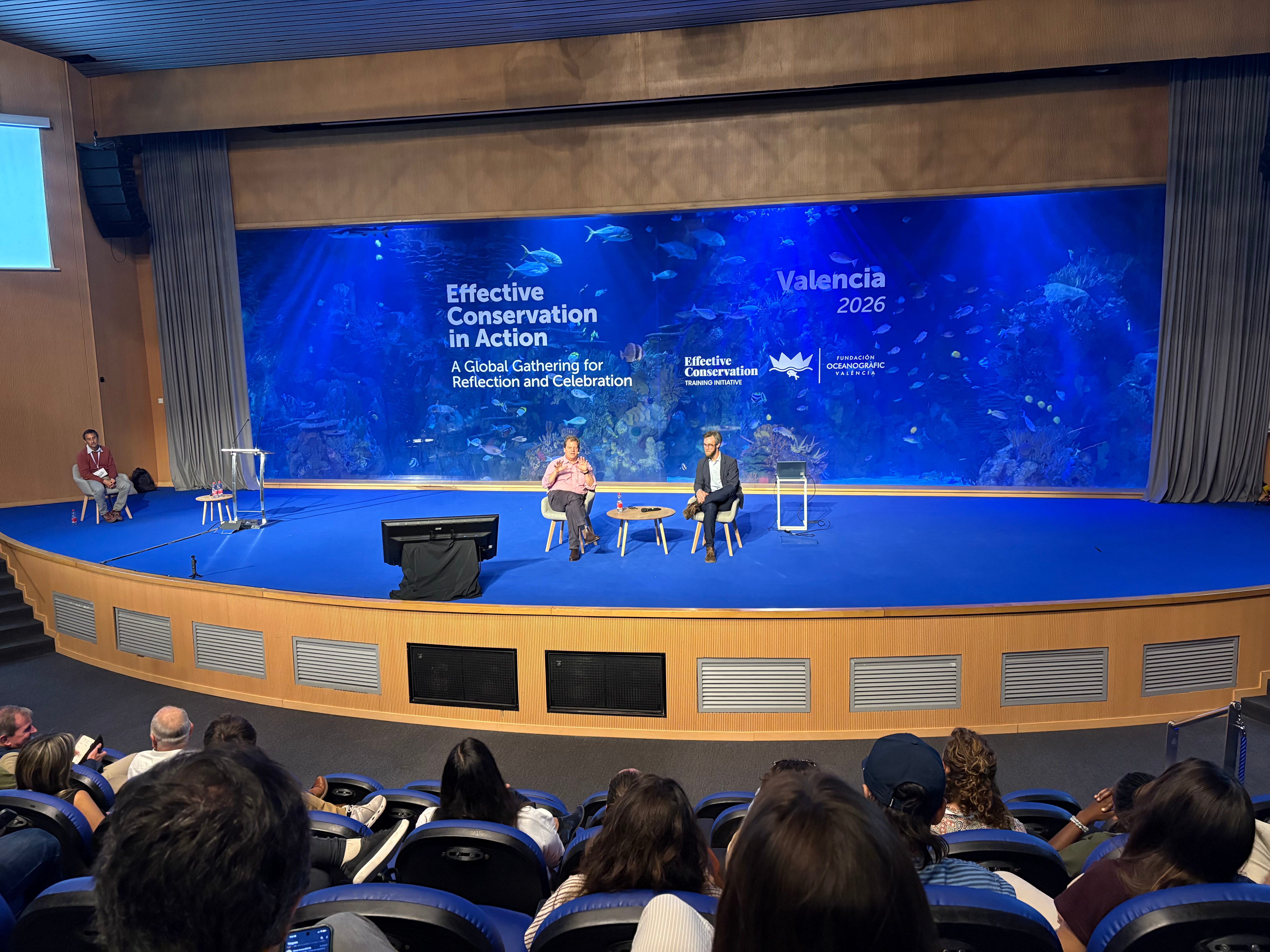
People from 20 countries were assembled in the auditorium of Valencia’s Oceanografìc Aquarium complex. About 40 young people had recently completed a course through the Effective Conservation Training Initiative. The brain child of Spanish conservationist, Ignacio Jimenez, the program is mentoring a new generation of leaders at major conservation organizations on every continent.
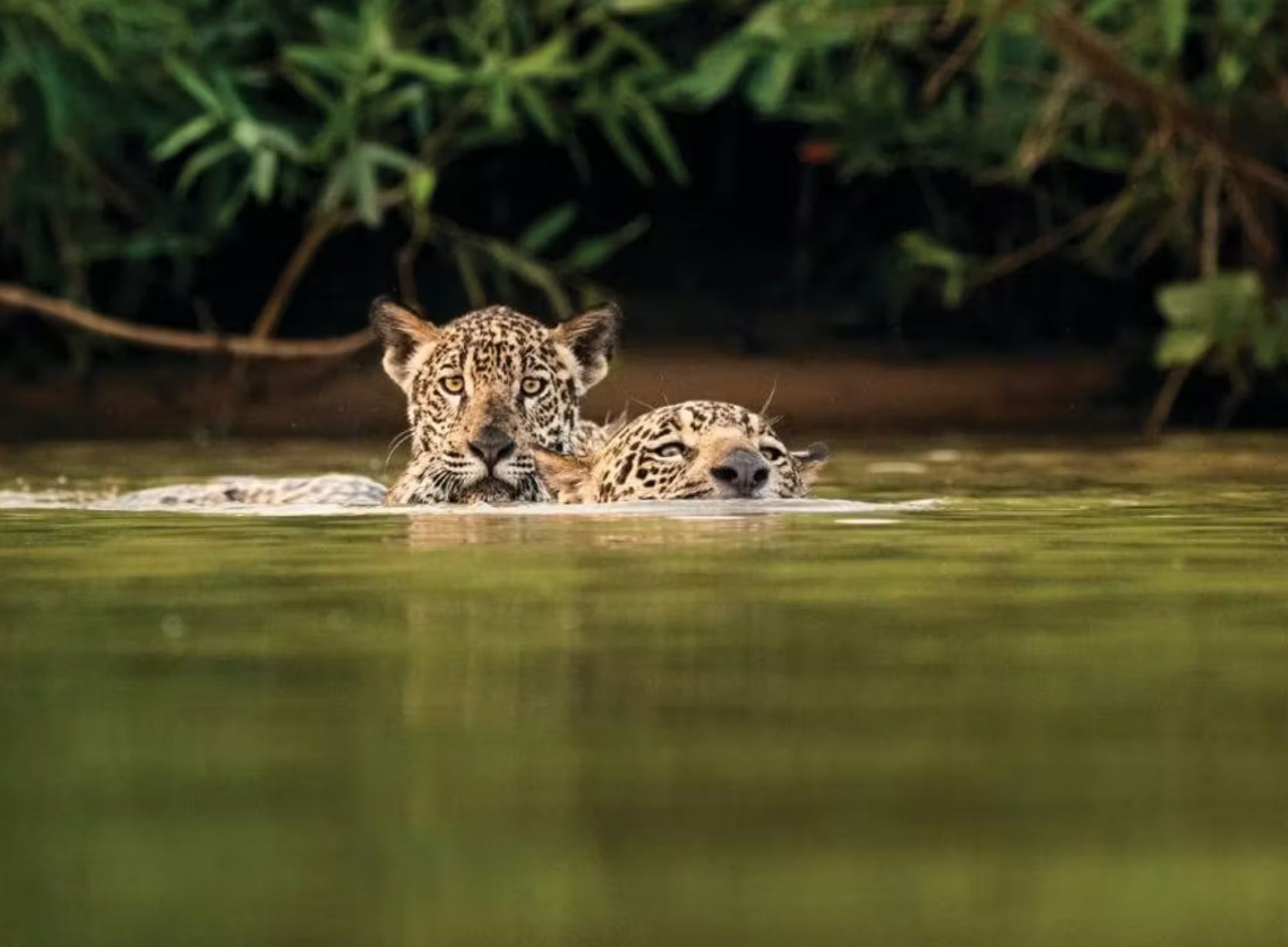
Charismatic fauna were featured in numerous videos along with the heroic tales of the efforts to save and reintroduce them. Knitting together public private partnerships to connect habitat for wolves and bison in Montana. Collaborations with four countries where jaguars are crossing political borders in the Rio Paranà watershed. Aerial fire management and pest control to protect Australia’s highly endangered mammals, like the Golden bandicoot. Small holder agroforestry programs to protect Sumatran tigers and orangutans. These were just a few. It was a stunning parade of wildlife and landscapes. Minus the big picture, you would think we were living in paradise.
Participants had plenty of things to vent about too, such as increasing human-wildlife conflicts, bureaucratic roadblocks, the need for organizational secession plans and tactics for more work life balance. Females dominate the conservation organizations that were present (by about 60 to 40 percent) but are not similarly represented in leadership roles. They find it difficult to manage both home making and child rearing with the demands of their jobs. Yet this fast changing world requires more female energy to lead the restoration movement.
We heard from a Who’s Who on the front lines of global conservation: the Frankfurt Zoological Society, Tompkins Conservation, Rewilding Argentina, African Parks Network, Australian Wildlife Conservancy, Knepp, Rewilding Europe, among others. Everyone recorded a happy birthday song to Sir David Attenborough to honor his 100th trip around the sun.
The auditorium had theater seating and a stage with an aquarium behind it. The audience saw fishes and sharks swimming behind the presenters as they spoke. It was a perfect if not surreal environment to discuss the ins and outs of species protection. Every once in a while you’d find yourself staring into the dog-like expression and animated eyes of a grouper or wondering why the sharks or bonitos weren’t snapping at schools of tiny diamond shaped fish.

Conservation biology is so much more than science. On top of ecological understanding, it requires a multi-disciplinary blend of politics, economics, community organizing, fund raising, people skills and creativity. How do we convince communities who are merely trying to survive and provide for their families to value wild nature? How do we build public-private partnerships that create habitat linkages between existing wild areas? How do we find financial and policy mechanisms to sustain stewardship initiatives over the long haul? How do we maintain the energy required to protect places when we are being overwhelmed by climate change and development?
Thanks to the tenacity of Ignacio Jimenez and the Effective Conservation Training Initiative, a global network exists to share problem solving resources, to move toward a vision of landscape-scale protection, to save the plants and animals we are meant to co-exist with. In so doing, we may hopefully save ourselves.
Last month, I sat down with Charles Loi and Hannah Lee, the producers of Climate California, the Emmy-winning PBS documentary series from Northern California Public Media. Our conversation explored the art of environmental storytelling, how they balance urgency with hope, and why compelling narratives may be one of the most powerful tools we have for engaging with issues like climate change. Please take a listen. And look forward to a future conversation with Effective Conservation conference attendee, Astrid Vargas, coming soon.
Boots on!
All for now.