Beautifully Imperfect Repeatability
The revival of Heath Ceramics, a classic of mid-century modern California design

With the depletion of natural resources, we will begin to make and build things to last. Since they must last longer, they must take on a timeless quality. — Edith Heath
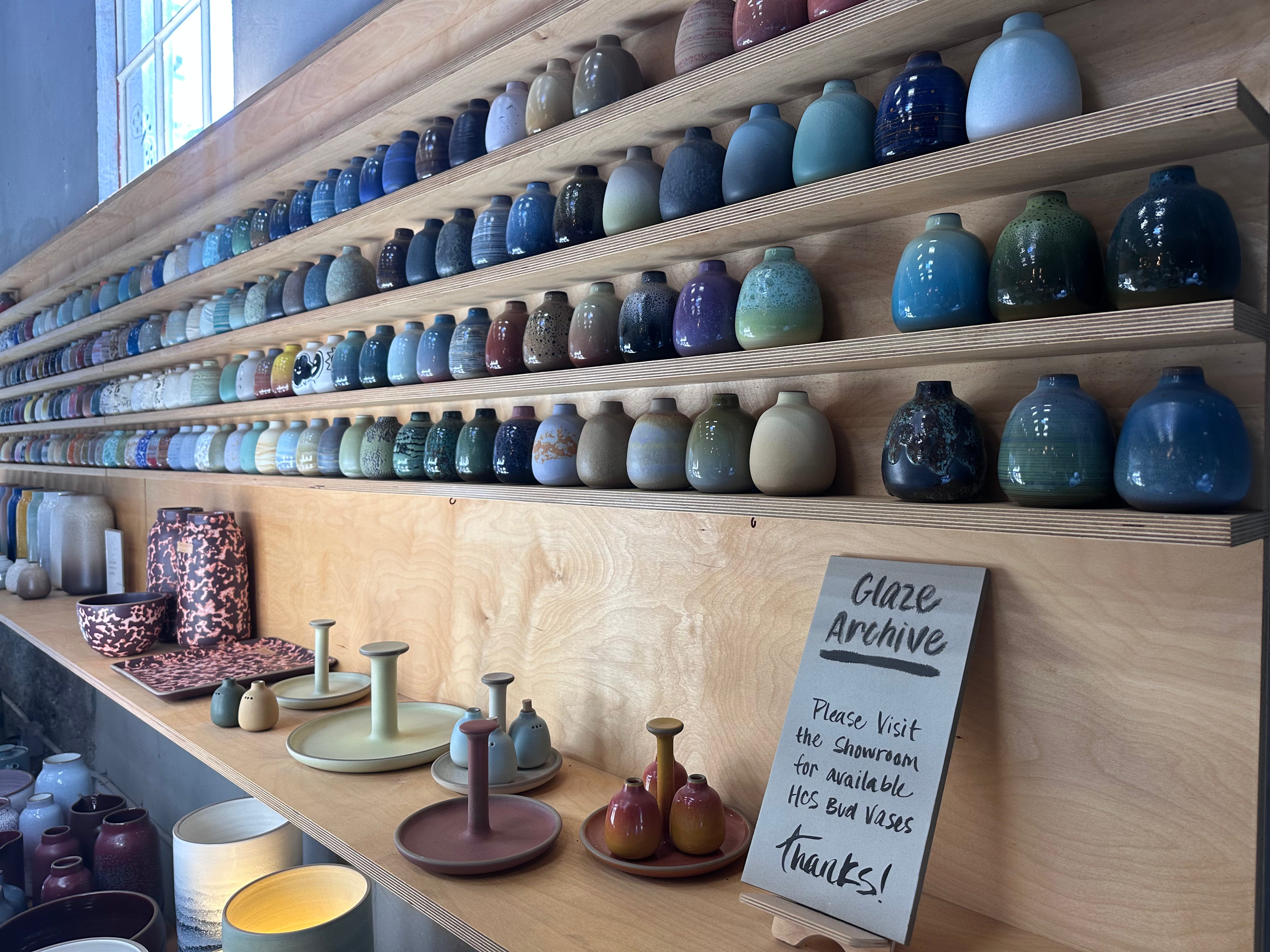
NEW FULL EXPRESSION PODCAST: Heath Ceramics and The Art of Everyday Objects
I have a soft spot for factories where craft meets small scale industrial production. I grew up amidst a family business called Yorkraft which started out making early Americana inspired greeting cards in the 1940s and continued to innovate and evolve and put 8 kids (well, almost) through college and provide livelihoods for a respectable work force into the early 2000s. There’s something about an old brick factory with glass paned windows, wood floors and beams, freight elevators, the smell of varnish and sawdust and craftspeople engrossed at their individual stations that speaks to me.
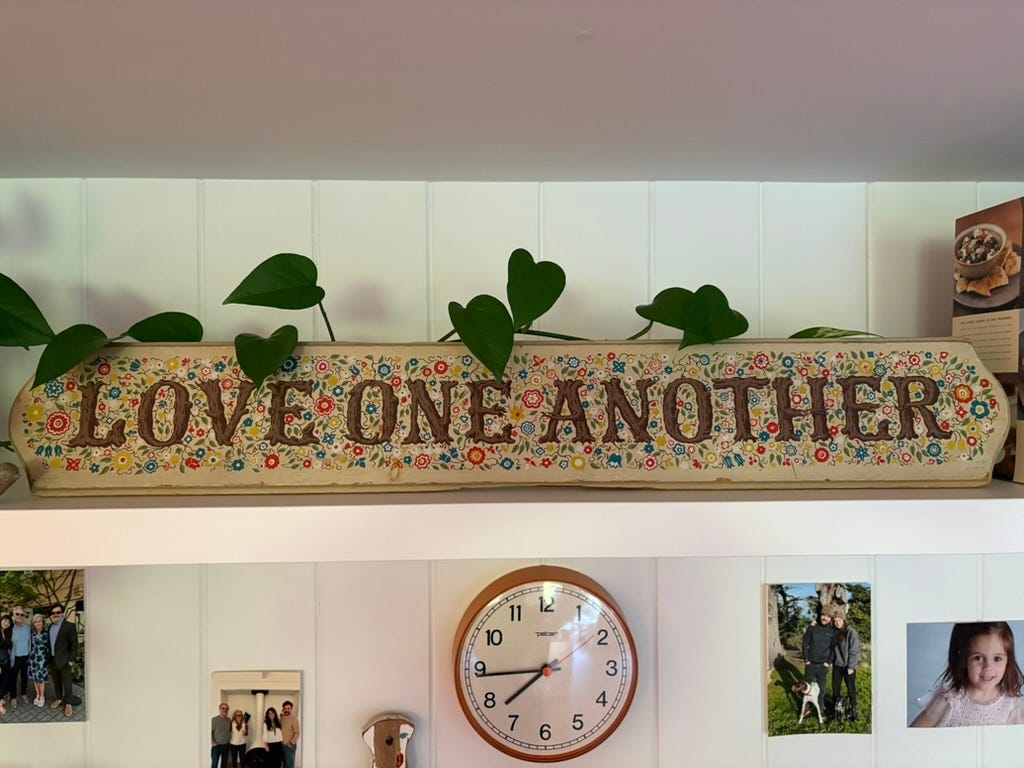
On the way down to San Francisco to interview Catherine Bailey and Robin Petravic I stopped at the Heath Ceramics factory and showroom in the Gate 5 area of Sausalito. This place oozes California design history. Founded by Edith Heath and her husband Brian in the late 1940s, their ceramics almost immediately made their mark on daily life with a modern take on dinnerware and lifestyle products. The country had emerged from the Great Depression and Word War II with money to spend and the desire to modernize their households with almost revolutionary zeal.
Edith Heath was naturally elegant and an immensely talented designer with entrepreneurial vision. Though raised in the American midwest, she intuitively understood the European Bauhaus philosophy of merging craft with industry, tradition with modernism, design with materiality. She made her way west and while attending the California School of Fine Arts found that she was a gifted ceramicist with extraordinary instincts for form, materials and glaze chemistry. Deciding to go into business, among her first significant missions was to find a source of local clay. After a number of exploratory trips, she and Brian discovered one near Sacramento that could be fired at lower temperatures: saving energy while maintaining durability and achieving richer colors.
These and other innovations such as Scandinavian aesthetic influences, embracing the raw color of unglazed red clay and expanding into ceramic tile made her a pioneer of mid-century modern California design. But by the early 2000s, Brian had passed away and Edith was in her 90s. About this time Catherine Bailey and Robin Petravic had relocated to Sausalito and fortuitously happened upon the Heath ceramic factory, still producing with a small crew.
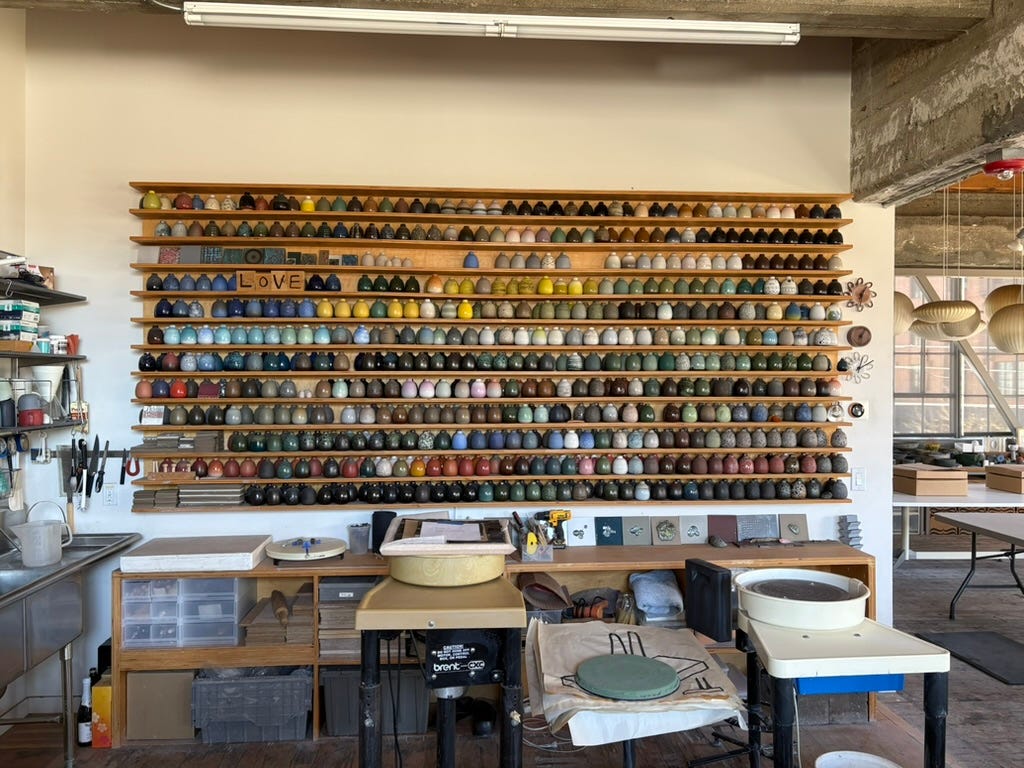
After some negotiations, Catherine and Robin, both industrial designers and neither of them ceramicists, decided to purchase the classic brand and revive it for the 21st century. Their initial heavy lift was stabilizing day-to-day operations and repositioning a brand that had largely disappeared from public view. With an emphasis on retail expansion, storytelling and partnerships, they brought Heath back to the marketplace and opened a flagship store in the San Francisco Ferry Building. They worked with chefs Alice Waters and Master Jiu and companies like Herman Miller. In 2012 they rolled out an impressive operation in the South of Market District in a building that was formerly an industrial laundry. This site became the “Heath Collective,” which houses Heath’s tile manufacturing along with a showroom, the Tartine Manufactory bakery and restaurant, a great magazine kiosk and some awesome spaces for artistic research and community gatherings.
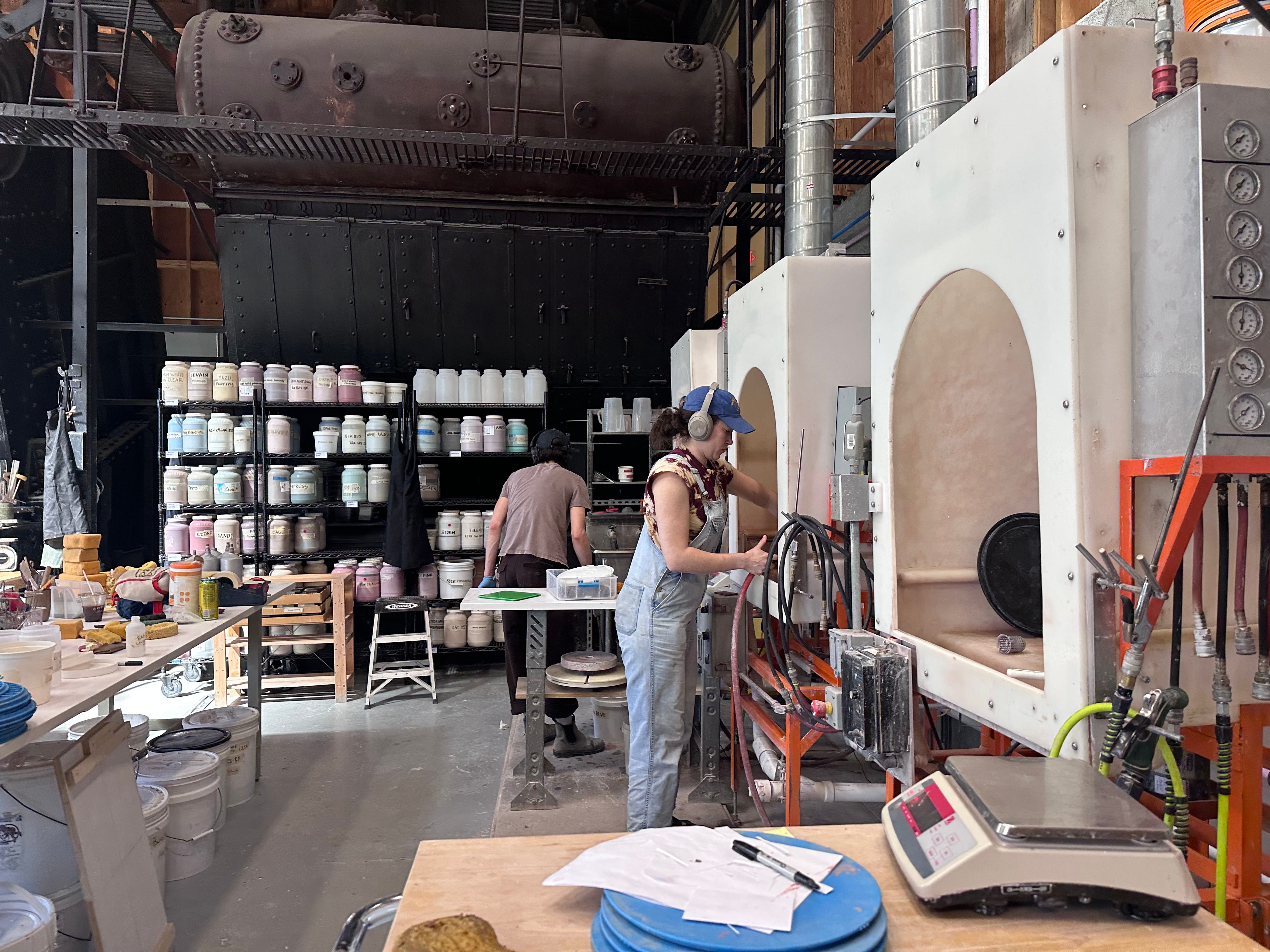
In a wide ranging conversation we talked about sustaining and modernizing the legacy of the Heath brand, the challenge of maintaining the soul of the handmade within mass produced pieces (“repeatable imperfection”), what it means to manage a manufacturing workforce with the high cost of living in the Bay Area, the art and science of glazes, and the ancient connections between ceramics and food.
Heath Ceramics remain an investment in timeless design. While not necessarily for shoppers on a budget, the cost per use of a plate or mug or vase appreciates over the years, so buying for quality and functional beauty is a sound philosophy when you can afford it, as is supporting companies trying to do things the right way.
For more on Heath’s philosophy of craft, design, and making things that last, check out Heath Ceramics’ in-house podcast Make Good.
All for now.