
Undamming the Klamath
Amy Bowers Cordalis on her family's multi-generational battle to restore a river.

I drove east across the Coast Range then north through the farm fields and olive and almond orchards of the Sacramento Valley, ascended the impressive foothills that rise past the cloud shrouded hulk of Mt. Shasta, through rangelands and a harrowing hail and wind storm into Oregon over the pass down into the Rogue River Valley and the city of Ashland where many years ago I spoke in a university auditorium about my book Farming with the Wild. A memorable six hour drive listening to Jeff Tweedy’s 2026 solo playlist which I highly recommend.
Spoiler alert: this is a tale of epic cruelty with a victorious, or at least hopeful, ending.
I met with Amy Bowers Cordalis in the Ashland, Oregon office of the organization she co-founded, Ridges to Riffles Indigenous Conservation Group. Amy is the author of a recent book, The Water Remembers, which recounts her family’s multi-generational struggle to regain the sovereignty and rights granted to the Yurok Nation through treaty and executive orders in the 19th century. If one singular message pierces through her excellent narrative it is that the salmon and the Yurok people share the same destiny, if not the same DNA. “If the Klamath salmon and the Klamath River die,” she writes, “so will the Yurok people, because there will be no purpose for the Yurok on earth.”
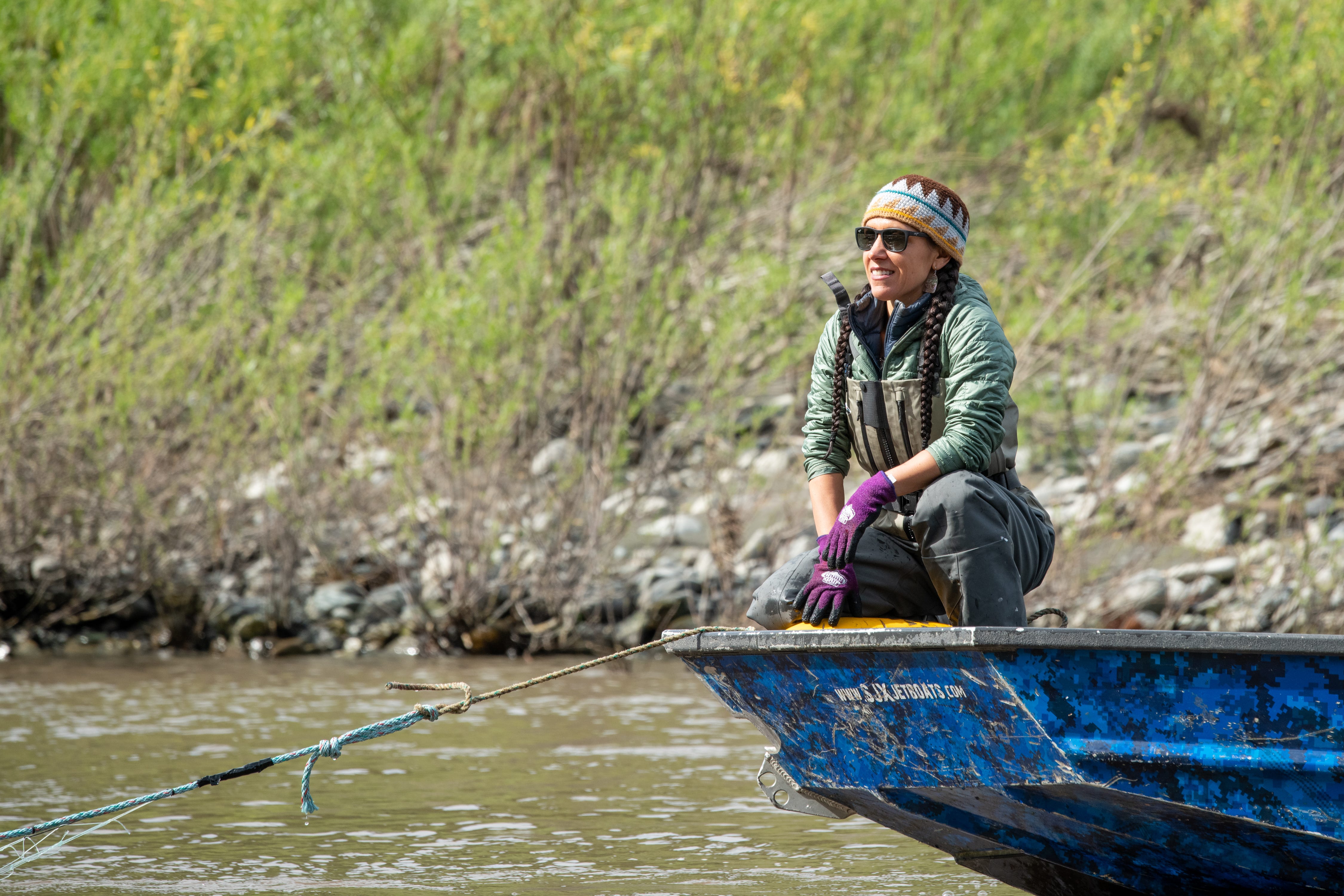
Amy Bowers Cordalis grew up in a household with a Yurok father and nonnative mother in Ashland and at a young age learned to love the outdoors and salmon fishing in particular. Her parents tried to shield their children from the lingering effects of colonization that haunted the Yurok Reservation, including high rates of crime, poverty, sexual abuse and human trafficking. Still they spent holidays and summers on the river with her family of fishermen, healers, dancers, activists and survivors of relentless persecution and prosecution by both the the US government and the State of California.
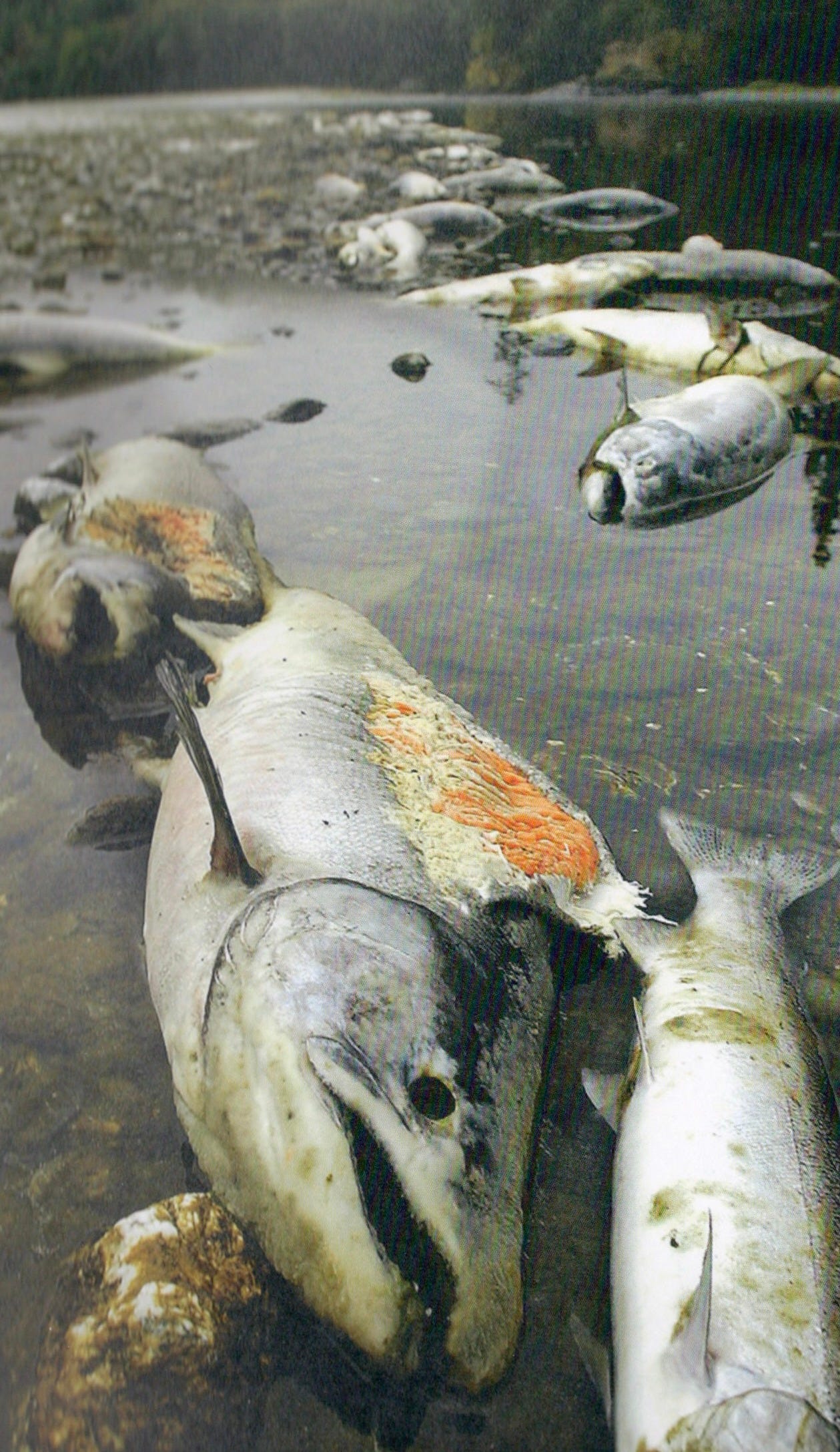
The Klamath River was home to numerous indigenous tribes and the third largest salmon run in what is now the continental United States. Despite numerous legal agreements, the tribes lost most of their territories and rights to self-sufficiency as the surrounding resources were extracted for gold, timber, agriculture, commercial and recreational fishing and electricity production. The final straw came with the 2002 decision by the Cheney/Bush administration to withhold water for the river in favor of irrigation to upland farmers. As many as 70,000 adult salmon died as a result of too little water at too high temperatures polluted with toxic algae and a disease known as ich as the administration chose to support agriculture over health of the fishery.
That year Amy decided she would become a lawyer and fight for the destiny of the salmon, the Klamath River and her people. After graduating from University of Colorado Law School she worked for both the California Indigenous Legal Services and Native American Rights Fund throughout a 20-year legal battle to achieve the only thing that would restore the watershed: removing the four dams that were no longer economically, ecologically or historically justifiable.
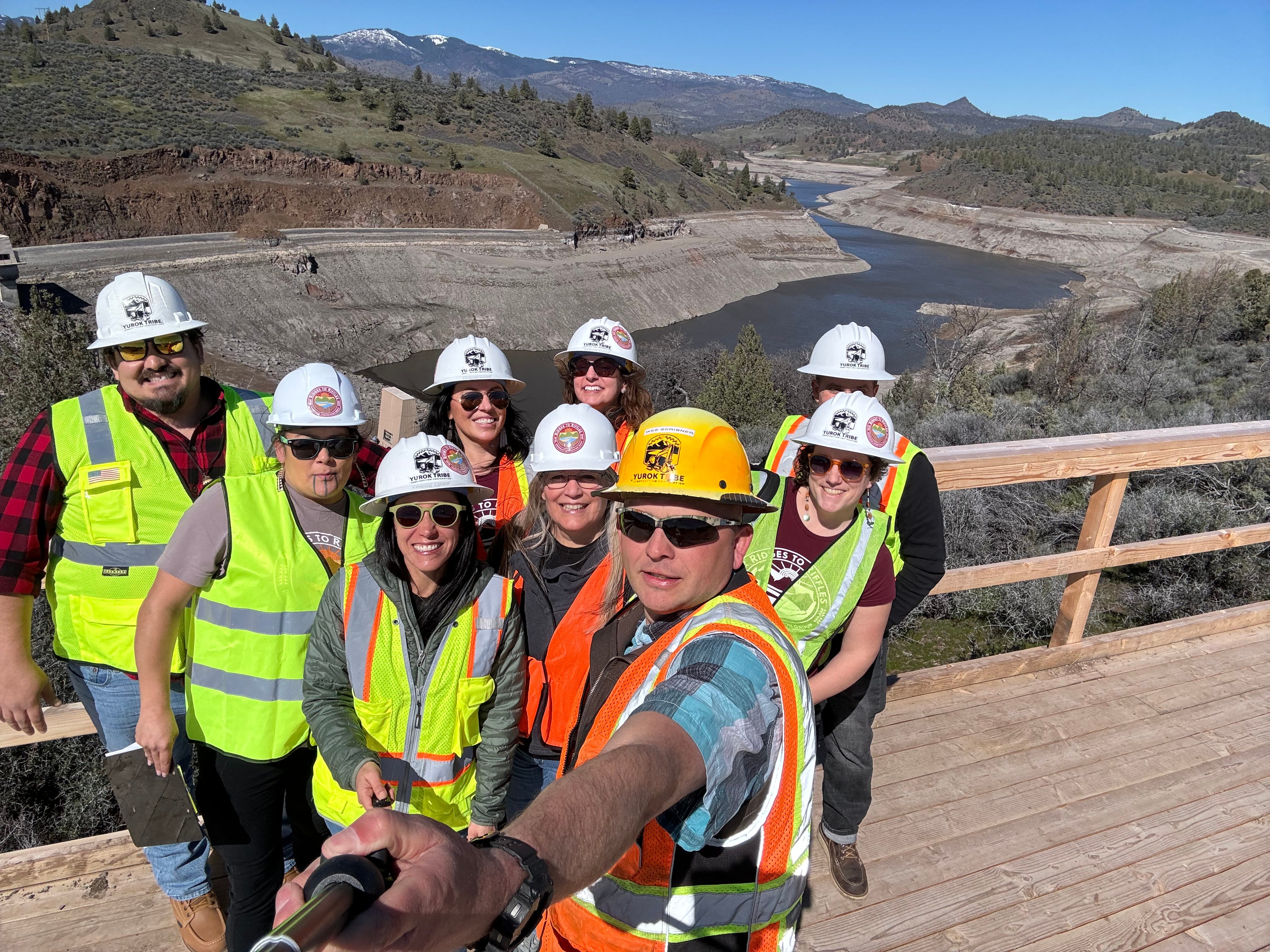
This is one of the boldest victories in recent years for people who care about the fate of the earth. With hope, it is a harbinger of efforts to come. There is so much to unpack in this memoir including campaigns against Warren Buffet, hard won agreements that fell apart, a total failure of congressional oversight, and the final demolition of four dams that resulted in the largest salmon restoration project in world history and the largest dam removal in US history. Please enjoy this conversation with UNEP Champion of the World Laureate and author, Amy Bowers Cordalis.
All for now.
Wonderful story and great rewilding success!